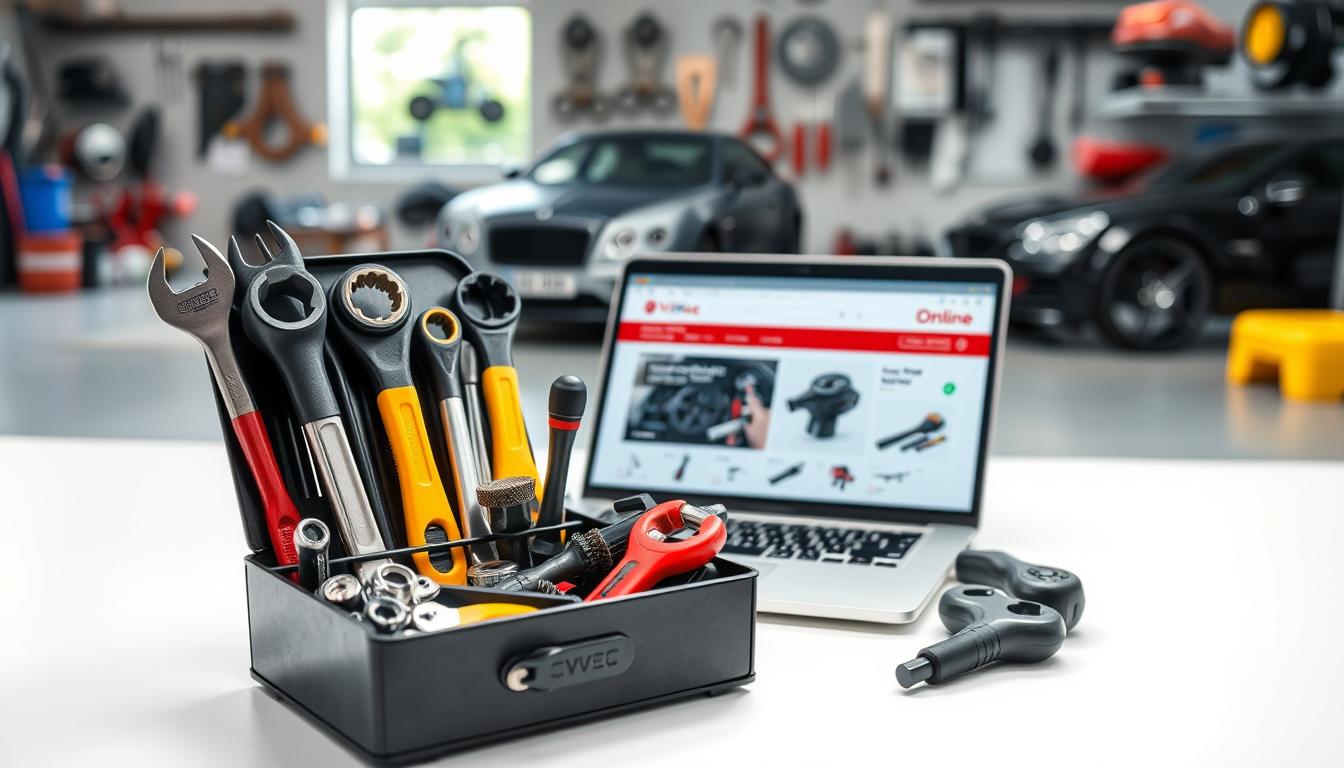
I remember the day I finally cleared out my workspace. I found a massive, rusted set of supposedly professional gear I had bought on a whim years ago. Most of it never touched a bolt, yet it took up precious shelf space for a decade. We have all been there, lured by a shiny deal that ends up as nothing more than expensive clutter.
Our mission is to help you simplify your life by choosing only what truly adds value. When you shop for automotive tools online, the goal should be utility, not just filling a cart. You deserve equipment that works as hard as you do without turning your home into a crowded storage unit.
This guide focuses on practical quality and everyday usefulness. We will help you avoid those low-value garage tools that look tempting but rarely earn their keep. Let’s focus on building a kit that empowers you to handle repairs with ease and confidence.
Key Takeaways
- Prioritize quality over quantity to save space and money.
- Research specific needs before making a purchase.
- Avoid impulse buys that offer little long-term utility.
- Focus on versatile items that handle multiple repair tasks.
- Keep your workspace organized by selecting only essential gear.
Understanding Your Automotive Tool Needs
Buying tools without a plan can clutter your garage. We focus on car repair tools that are useful. Choose what you really need to do the job right.
Assessing Your Skill Level
Your skill level determines what tools you need. Beginners don’t need a lot of specialized tools. Start with the basics to learn without feeling overwhelmed.
More experienced folks might tackle harder tasks like suspension work. Choosing tools that match your skills saves money and keeps your space tidy. A few quality tools are better than a lot of cheap ones.
“The best tool in your box is the one you know how to use effectively.”
Identifying Necessary Tools for Common Tasks
A good tool buying guide starts with common tasks. Focus on tools for routine work, not rare repairs.
Start with these key items:
- Oil Changes: A reliable wrench set and a sturdy oil filter tool.
- Battery Work: A basic terminal cleaner and a socket set for secure connections.
- Tire Service: A high-quality pressure gauge and a reliable torque wrench.
- Brake Inspections: A simple jack, jack stands, and a lug wrench.
Following this list keeps your tools useful and your garage organized. It makes daily maintenance easy and stress-free.
Researching Reliable Online Retailers
Finding the right tools online shouldn’t be hard. When you shop for automotive tools online, you want a partner who cares about your time and money. We aim to make your life easier by helping you find quality tools without stress.
Top Platforms for Automotive Tools
You have many choices, from big marketplaces to specialized shops. Amazon or Home Depot are great for quick shipping. But for specific, high-end tools, Summit Racing or JEGS offer better support and selection.
A good tool buying guide tells you to check the seller’s credentials. Buying from an authorized dealer ensures your warranty is valid and you get genuine quality.
Customer Reviews and Ratings
Reviews are useful, but take them as evidence to evaluate. Look for common themes in feedback, not just one extreme comment. If many say a torque wrench is flimsy, it’s a warning sign.
Verified purchase badges are key. They show the reviewer actually bought the item, making their feedback more relevant. Use these to find tools that will really help your work.
Return Policy Considerations
Even the best shoppers might get the wrong part. Always check the return policy and any fees before buying. A tool buying guide should offer a safety net, and a clear return policy is essential.
If a retailer makes returns hard, they’re not worth it. Look for companies with hassle-free returns or prepaid labels. This ensures a positive experience, even if the first tool isn’t perfect.
Essential Tools Every Mechanic Should Have
Building a good set of car repair tools doesn’t mean buying everything. Many beginners buy too much, thinking they need it all. Instead, focus on what you really need to keep your space tidy.
Looking for the best value tools means choosing quality over quantity. You want tools that can do many tasks without costing too much or taking up too much space. When starting out, quality is more important than having lots of tools.
Basic Hand Tools
Every mechanic needs a solid set of hand tools for basic maintenance. These tools are the backbone of your garage and will get used a lot.
- Socket Sets: Get a set with both metric and SAE sizes to fit most cars.
- Screwdrivers: You’ll need Phillips and flat-head drivers for inside and engine work.
- Pliers: Needle-nose and slip-joint pliers are great for small parts and wires.
- Torque Wrench: This is key for tightening bolts just right, as the manufacturer says.
Diagnostic Tools and Equipment
Modern cars are like computers, so you need the right tools to understand them. You don’t need a fancy shop scanner, but a few basics can save you a lot of time.
A basic multimeter is great for checking batteries, fuses, and electrical connections. Add an entry-level OBD-II code reader to find out why that “Check Engine” light is on. These best value tools give you quick answers and help you avoid guessing during repairs.
Specialty Tools for Specific Repairs
Don’t buy specialty tools until you really need them. For example, you might need a piston compressor for brake work, but there’s no point in buying it if you’re not doing brakes this year.
Waiting to buy tools until you really need them helps keep your garage organized and your budget in check. The goal is to make your car work easier with car repair tools that actually help, not just clutter your bench.
Budgeting for Your Automotive Tools
Setting a budget for your garage gear is a smart move before buying online. It’s easy to get caught up in shiny gadgets, but staying disciplined keeps your finances healthy. We aim to help you start your DIY journey without worrying about overspending.
Setting a Realistic Budget
Begin by separating what you need now from what you might want later. Focus on essential hand tools like socket sets and wrenches for common repairs. Save specialty tools for specific projects.
View your tool collection as a long-term investment, not a one-time cost. Prioritize what you need today to avoid clutter. This way, you’ll have the right tools when you need them.
Balancing Quality and Cost
When looking for automotive tools online, don’t just look for the cheapest price. A cheap tool that breaks quickly is more expensive than a quality one that lasts. Look for these signs of value:
- Warranty support: Does the manufacturer back their product?
- Material quality: Are the tools made from durable materials or cheap alloys?
- Repair frequency: How often will you use this tool?
“The bitterness of poor quality remains long after the sweetness of low price is forgotten.” — Benjamin Franklin
We consider best value tools as those that solve problems efficiently without costing too much. Sometimes, a mid-range brand offers the same quality as a professional set at a lower price. Always check user feedback to see how tools perform in real use.
Exploring Sales and Discounts
You can find quality gear at a discount if you know where to look. Sign up for newsletters from trusted retailers for sale alerts. Many platforms offer bundle deals that are better value than buying individual items.
Remember, patience is key when building your kit. Waiting for a holiday sale can save you a lot on high-end items. By staying patient and informed, you get the best value tools while keeping your budget in check.
The Importance of Quality Over Quantity
It’s tempting to buy the biggest tool kit you see. But, having more tools doesn’t always mean better results. A good tool buying guide teaches you that a huge kit is not always the best deal. If many tools don’t work or get used, you haven’t saved money. Instead, you’ve just added clutter to your workspace.
Understanding Tool Material and Durability
Before you look at how many tools are in a set, check their quality. Good tools are made from strong steel that doesn’t bend or break easily. You want tools that feel sturdy in your hand, not flimsy.
Here are signs of quality:
- Corrosion resistance: A good finish stops rust, keeping your tools looking new for years.
- Fit and finish: Tools that are well-made fit perfectly on bolts without slipping or damaging them.
- Handle comfort: Handles that fit well in your hand make long work sessions easier.
Benefits of Investing in Trusted Brands
Choosing well-known brands is the smartest way to get best value tools. These brands offer more than just a name; they give you confidence in their tools’ performance. When you buy from a trusted brand, you know a 10mm socket will always measure 10mm.
These brands also offer stronger warranties and better support. If a tool breaks, you won’t be stuck with nothing. Spending on quality means less time replacing tools and more time fixing your car. The goal is to have tools that work as hard as you do.
Organizing Your Tool Purchases for Efficiency
A cluttered workspace can really kill your motivation. When you can’t find the right wrench, you might buy another one. This leads to a drawer full of duplicate garage tools that you never use.
We want to make your life simpler and more rewarding. Organizing your tools ensures each product has a purpose before you buy it.
Creating a Priority List
Before buying another gadget, make a list of what you really need. Think about the maintenance tasks you’ll do this year. If you only change oil and rotate tires, you don’t need all the transmission tools.
Your list should also consider your skill level and storage space. Focusing on what you need today helps avoid clutter. This habit saves your budget and keeps your space organized.
Grouping Tools by Use or Project
Don’t just throw all your tools together. Organize them by vehicle system, like brakes or electrical work. This makes routine maintenance quicker. You’ll know exactly where to find what you need when you need it.
You can also organize by how often you use them. Keep your most used tools, like socket sets and screwdrivers, easy to reach. This strategic approach saves you time and lets you enjoy your work more.
Knowing When to Buy vs. Rent Automotive Tools
Deciding when to buy or rent tools is a smart move. You don’t need every gadget to be a good mechanic. Focus on getting car repair tools that meet your needs.
Scenarios for Renting Tools
For one-off jobs, renting tools is often the best choice. If you’re doing a rare repair, like pulling a transmission, renting is wise.
- Expensive specialty items: High-end tools like diagnostic scanners or heavy-duty pullers are pricey.
- Space constraints: Renting big tools saves space in small garages or apartments.
- Short-term projects: Renting lets you use top-notch tools for a short time without storage worries.
“The most efficient mechanic is the one who knows exactly which tools are worth the investment and which are better left on the rental shelf.”
Long-term Benefits of Owning Tools
Buying tools makes sense for regular maintenance. Having your own car repair tools lets you fix small issues right away.
Choose best value tools for common tasks. These tools save money by cutting down on rental costs and trips to the store. Owning tools also lets you work on more cars at home.
The aim is to help you, not clutter your garage. Investing in best value tools means you’re always ready to fix things. This keeps your life smooth and easy.
Utilizing Online Resources for Education
Smart shoppers know that the best tool in their kit is actually their own knowledge. Before you spend your hard-earned money on automotive tools online, take a moment to see how they actually perform in the real world. Accessing the right information helps you avoid buying gear that just gathers dust in your garage.
Tutorials and Guides for Beginners
You can find a wealth of free information through manufacturer manuals and step-by-step repair videos. These resources allow you to verify if a specific tool is compatible with your vehicle before you commit to a purchase. Learning the safe procedures for a task often reveals whether you need a specialized piece of equipment or if a basic hand tool will suffice.
A high-quality tool buying guide becomes much more effective when you pair it with these visual tutorials. By watching a professional use a tool, you gain a better understanding of its ergonomics and limitations. This process ensures that you feel empowered to handle your own repairs with confidence and ease.
Forums and Communities for Advice
Sometimes, the best advice comes from people who have already faced the same mechanical hurdles as you. Online automotive communities are excellent places to ask questions and compare real-world experiences. You will often find honest feedback about which brands hold up under pressure and which ones to avoid.
We believe in simplifying your life by providing the knowledge you need to make informed decisions. Engaging with these groups helps you filter out the hype and focus on high-quality products that truly serve your needs. Check out the table below to see how different resources can support your learning journey.
| Resource Type | Best For | Key Benefit |
|---|---|---|
| Video Tutorials | Visual Learners | Step-by-step clarity |
| Repair Manuals | Technical Specs | Accuracy and safety |
| Online Forums | Real-world Advice | Peer-tested results |
| Buying Guides | Product Comparison | Budget optimization |
Using these resources turns a simple purchase into a smart investment. When you combine a reliable tool buying guide with community wisdom, you are setting yourself up for long-term success. Our mission is to ensure you have the right tools and the right information to live your best life, one repair at a time.
Implementing Maintenance Practices for Longevity
A messy, neglected toolbox can quickly turn your money into scrap metal. We aim to make your life easier by protecting your car repair tools. Treating your equipment well saves you from frustration and unnecessary costs.
Cleaning and Storing Tools Properly
Rust is a big problem in any workshop. Clean your metal tools with a rag after each use to remove grease and moisture. A thin layer of machine oil helps protect them from humidity.
Storing your garage tools right is just as important as cleaning. Use a chest or wall rack to keep them organized. This saves time and helps you work more efficiently.
Regular Inspections and Repairs
Even top-notch tools need regular checks. Look for cracks in handles and wear on drive ends. Fix any issues with cords or loose parts right away for safety.
Make sure your measuring tools, like torque wrenches, are accurate. An off-tool can lead to costly mistakes. Regular checks keep your car repair tools in top shape.
Good maintenance makes your garage tools last longer. Taking these steps boosts your confidence in tackling any project. Your future self will appreciate the extra effort you put in today.
Conclusion: Empowering Your Automotive Journey
Building a reliable kit is about choosing the right tools, not having too many. You get the most freedom when you pick tools that fit your repair needs and workspace.
We aim to make your life simpler and better. Our goal is to provide a wide range of high-quality products. These are designed to meet your daily needs and help you live your best life easily.
Refining Your Collection
The best tools are those you carefully choose. Look for dependable materials, solid warranties, and easy maintenance. Brands like Snap-on or Craftsman offer durability that lasts for years if you take care of them.
Mastering Repairs with Confidence
Every time you use a wrench, your skills improve. You’ll handle car tasks with more confidence when you trust your tools. Focus on quality, stay organized, and enjoy fixing your car.