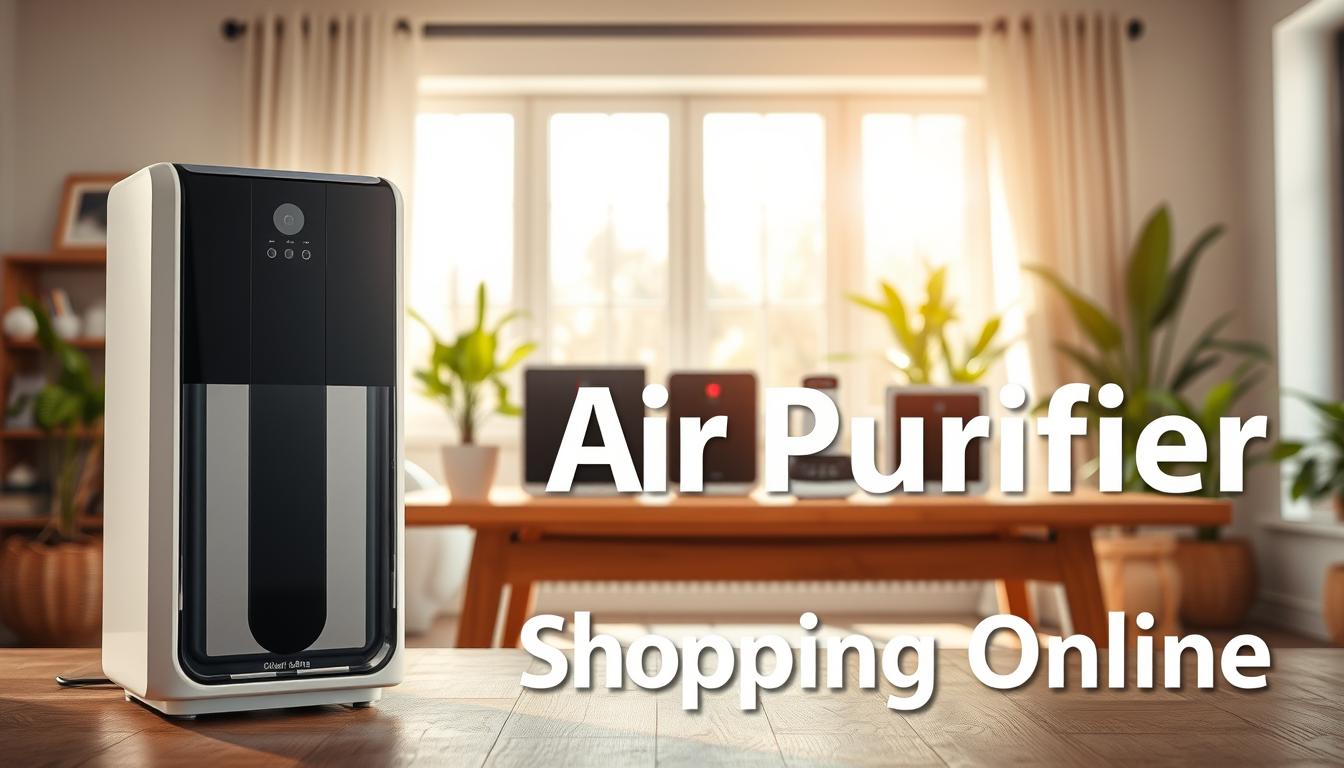
We want our homes to feel safe, but invisible particles can make that difficult. I know the frustration of scrolling through endless product pages and wondering whether a device will help you breathe easier. Our air purifier buying guide cuts through marketing claims and focuses on health, comfort, and useful features.
This resource helps you buy an appliance online with confidence. It focuses on filter efficiency, room coverage, and long-term maintenance costs. Use these details when you buy air purifier online for your home.
Whether you are a busy parent or want to refresh your home, we make shopping easier. We can help you find the right solution and live your best life with ease.
Key Takeaways
- Focus on core performance metrics like CADR ratings rather than gimmicky features.
- Understand the true cost of ownership by checking replacement filter prices before you commit.
- Match the device capacity to your specific room size for maximum efficiency.
- Prioritize units with intuitive controls that fit your daily lifestyle.
- Use this resource to make informed decisions when you buy an appliance online.
Understanding Air Purifiers and Their Benefits
Better indoor air quality can improve daily life in a simple, practical way. We help simplify your home so you can focus on what matters most. Removing unseen pollutants creates a safe space that supports your well-being each day.
What is an Air Purifier?
At its core, a room air purifier cleans the air inside your home. It pulls in stale air, moves it through several internal filters, and releases clean air into the room. Think of it as a quiet helper that keeps your living space fresh and renewed.
How Do Air Purifiers Work?
Most units use a strong fan to pull air through a specialized filter system. The gold standard is the HEPA filter, engineered to trap 99.97% of airborne particles as small as 0.3 microns. These particles include common household nuisances, such as dust, pollen, and pet dander.
Some systems add technology to target other pollutants. While a HEPA filter captures physical particles, activated carbon can neutralize odors, gases, and volatile organic compounds. This layered design removes dust, cooking smells, and chemical fumes from your air.
“Clean air is the foundation of a healthy home, turning every room into a place of true comfort and restoration.”
Key Benefits of Using an Air Purifier
A quality device can improve your daily routine right away. Your home may feel fresher, and you may breathe more easily while sleeping or working. Here are a few ways these machines improve your living space:
- Reduced airborne irritants: By capturing allergens, you minimize the triggers that often cause sneezing or congestion.
- Cleaner-feeling rooms: Less dust settling on your furniture means you spend less time cleaning and more time relaxing.
- Enhanced comfort: A room air purifier creates a more inviting atmosphere in bedrooms and living areas, helping you feel your best.
Types of Air Purifiers
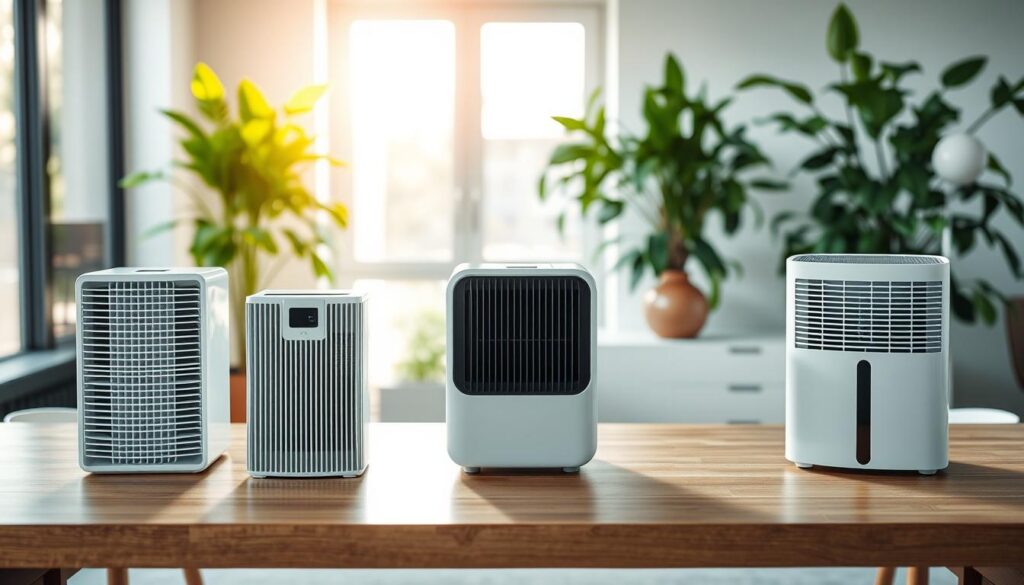
Ready to breathe easier? This air purifier buying guide explains today’s main types. It helps you understand what you are paying for without an engineering degree.
HEPA Filters
The industry standard is the HEPA filter. It traps at least 99.97% of particles measuring 0.3 microns. These include dust, pollen, and pet dander.
If you have seasonal allergies, this technology can help. It forces air through dense fibers that catch microscopic debris. It is truly the most reliable way to clean your indoor air.
Activated Carbon Filters
Activated carbon handles invisible pollutants better than solid particles. It uses porous material to absorb odors, smoke, and volatile organic compounds (VOCs) from your home. They are perfect for kitchens or rooms where pets spend a lot of time.
These filters do not trap dust or pollen alone. Most high-quality units combine a HEPA filter with activated carbon, giving you both benefits.
UV-C Light Air Purifiers
These units use ultraviolet light to neutralize airborne pathogens passing through the device. The light damages bacterial and viral DNA, making them harmless. It is a great secondary feature for families looking for extra peace of mind.
However, UV-C light works only on particles passing directly through its chamber. It does not reach into the room or clean surfaces.
Ionic Air Purifiers
Ionic models release negatively charged ions into the air. The ions attach to airborne particles, making them stick to walls or floors. This process effectively removes particles from the air you breathe.
Some users choose ionic models because they often run silently without a fan. Clean nearby surfaces more often because dust settles on furniture instead of staying airborne.
| Technology | Best For | Main Strength |
|---|---|---|
| HEPA Filter | Allergies & Dust | Traps 99.97% of particles |
| Activated Carbon | Odors & Gases | Absorbs smoke and VOCs |
| UV-C Light | Bacteria & Viruses | Neutralizes pathogens |
| Ionic | Quiet Operation | Charges particles to settle |
Room Size Considerations
Room size plays a major role in air quality. During your air purifier buying guide journey, make your space’s dimensions a first priority. A device that works well in a small office may struggle in a large, open living area.
How to Measure Your Room Size
For best results, learn how much space you need to cover. Use a tape measure to find your room’s length and width in feet. Multiply those numbers to find the total square footage.
A room measuring 12 feet by 15 feet equals 180 square feet. Always check the manufacturer’s recommended square footage before buying. If your room is near the rating’s limit, choose a larger unit.
Choosing the Right Air Purifier for Different Rooms
Not every room air purifier suits the same environment. A bedroom unit may run quietly, but it may lack power for a large, vaulted living room. Open floor plans can also have hidden corners where air becomes stagnant.
High ceilings or an open layout require a unit with greater capacity. Proper placement also matters. Keep the device away from walls and furniture so air can flow through its intake vents.
CADR Ratings Explained
CADR means Clean Air Delivery Rate. This number shows how quickly a unit filters pollutants such as dust, pollen, and smoke. A higher CADR means the unit cleans air more often each hour.
A high CADR paired with a high-quality HEPA filter creates a powerful system. It captures tiny particles effectively. Think of CADR as the “speed” and the filter as the “catcher”; both help keep your home fresh and healthy.
| Room Type | Typical Size (Sq. Ft.) | Recommended CADR |
|---|---|---|
| Small Bedroom | 100 – 150 | 100+ |
| Home Office | 150 – 250 | 150+ |
| Living Room | 300 – 500 | 250+ |
| Open Floor Plan | 500+ | 350+ |
Important Features to Look For
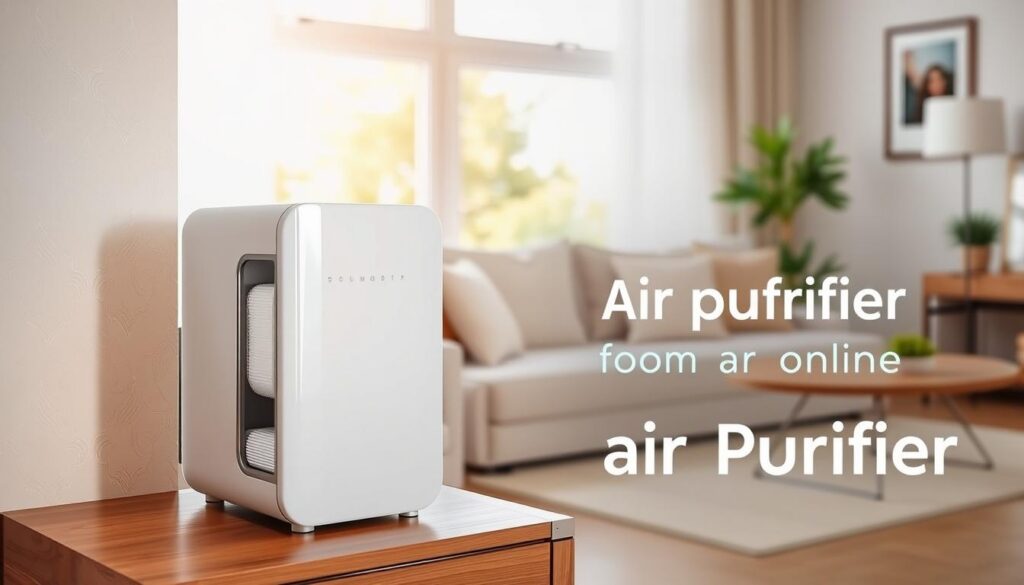
A great room air purifier cleans your space without needing constant attention. When you plan to buy air purifier online, technical jargon can confuse you. Focus on practical features that improve daily life.
Smart Technology Integration
Modern devices offer connectivity that puts control in your pocket. With app-based controls, you can adjust settings or check air quality from your smartphone while away. Many models also include automatic sensors that detect pollutants and adjust fan speeds in real-time.
Noise Levels and Operation Modes
Noise matters if you use your unit in a bedroom, nursery, or home office. Choose a device with dedicated sleep mode, which dims lights and runs quietly. Peace and quiet are essential, so check decibel ratings before buying.
“The best technology is the kind that works silently in the background, improving your life without ever becoming a distraction.”
Filter Replacement Indicators
Wondering when appliances need service can be a major headache. A high-quality room air purifier solves this problem with built-in filter life monitors. These sensors track usage and alert you when filters need changing, keeping air clean and the machine efficient.
Portability Options
Portability matters in smaller spaces or when moving a unit between rooms. Look for models with ergonomic handles or smooth-rolling wheels for easy transport. Before you buy air purifier online, check its weight and dimensions for your lifestyle and storage needs.
Air Quality Ratings and Standards
When you begin your home appliance shopping journey, you may see confusing acronyms on each box. These technical labels can feel overwhelming, but they offer useful shortcuts. Learn what each standard means to choose a device that fits your needs.
Understanding MERV Ratings
The MERV (Minimum Efficiency Reporting Value) rating measures how well a filter captures particles. For residential use, it usually ranges from 1 to 16. Higher numbers trap smaller particles, including smoke or bacteria, but may reduce airflow.
“Knowledge is the only tool that never wears out, and in the world of home maintenance, it is your best defense against poor indoor air quality.”
AHAM Certification
While MERV measures the filter, AHAM (Association of Home Appliance Manufacturers) certification examines the entire unit. Independent testing verifies the Clean Air Delivery Rate, or CADR, which shows cleaning speed for a specific room size. This benchmark ensures manufacturer claims use real data.
Energy Star Ratings
Finally, Energy Star qualification focuses on efficiency. This label means the air purifier meets strict EPA guidelines for energy use. An Energy Star model can help you save on electricity while keeping your home healthy.
These three systems answer different questions about your device. Do not treat them as interchangeable quality badges during your home appliance shopping process. Use them as a balanced toolkit to assess performance, testing, and energy use clearly.
Additional Features That Enhance Air Quality
Are extra bells and whistles on a room air purifier worth the cost? Basic models trap dust, but some units include advanced technology that makes life easier. Consider whether these features offer real value or only add cost.
Humidifiers and Dehumidifiers
Some hybrid units clean air and control moisture. A humidifier adds moisture to dry winter air, while a dehumidifier removes excess water from damp spaces. If your climate has extreme humidity swings, one system can replace two separate appliances.
Air Quality Sensors
Modern smart units often use built-in sensors to monitor your environment in real time. These sensors detect particle changes and adjust your room air purifier fan speed automatically. This hands-off approach ensures you breathe clean air without changing settings yourself.
UV Light Technology
UV light technology does more than simple filtration. It uses short-wave ultraviolet light to neutralize airborne bacteria and viruses as they pass through the unit. It works best with a high-quality HEPA filter in your room air purifier.
| Feature | Primary Benefit | Complexity Level |
|---|---|---|
| Air Quality Sensors | Automated Efficiency | Low |
| UV Light | Germ Neutralization | Medium |
| Humidifier/Dehumidifier | Moisture Balance | High |
Ultimately, your home environment determines the best room air purifier for you. If you value convenience, sensors are a fantastic upgrade. If you need only basic dust removal, you might prefer simple, high-quality replacement filters.
Maintenance and Care of Your Air Purifier
Think of your air purifier as a trusted teammate that needs care to work well. Reliable tools can simplify life, and regular maintenance is easier than fixing a neglected appliance. A few minutes of upkeep helps keep your home filled with clean air.
Regular Filter Maintenance
The heart of your device is the HEPA filter, which traps dust, pollen, and pet dander. In a busy household, the filter can clog quickly and make the motor work harder. Regularly checking your filter keeps airflow steady and helps prevent higher energy bills.
Always follow your manufacturer’s instructions for the replacement schedule. Some filters last longer, but waiting too long can lower air quality and strain internal parts.
Cleaning the Unit
Before cleaning, always power off and unplug the unit for safety. Dust can build up outside and around intake grilles, blocking air from entering. Use a soft, dry cloth outside and a vacuum attachment on the intake vents.
A clean exterior does more than improve looks; it keeps dust from returning to the machine. Wipe it every few weeks to help the device perform well.
Signs Your Air Purifier Needs Replacement
Even with good care, every appliance eventually reaches the end of its life. If your HEPA filter no longer captures odors or the unit makes unusual rattling noises, consider an upgrade. Steady low airflow after a fresh filter change can show that the motor is struggling.
Do not wait for a total breakdown before shopping for a replacement. Spotting these signs early lets you plan your budget and research new models without an emergency purchase. Being proactive helps keep your home comfortable and stress-free.
Budgeting for Your Air Purifier
When you begin your home appliance shopping, the price tag is only the story’s beginning. A useful air purifier buying guide looks beyond the first cost and considers your long-term investment. This approach can simplify your life and help you choose a machine for today and tomorrow.
Price Ranges for Different Models
You will find many options when you decide to buy air purifier online. Prices usually fit three categories based on features and build quality.
- Entry-Level ($50–$150): Best for small bedrooms or offices. These units offer basic filtration but often lack advanced sensors.
- Mid-Range ($150–$400): The sweet spot for most families. These models usually include HEPA filters and smart connectivity.
- Premium ($400+): Designed for large living spaces. They feature whisper-quiet motors, high-end sensors, and sleek designs.
Cost vs. Features Analysis
Extra features may seem tempting, so compare their value with your actual needs. Smart sensors and app integration add convenience, but they may not improve air quality more than a high-quality filter.
| Feature | Value | Ongoing Cost |
|---|---|---|
| Smart Sensors | High | Low |
| HEPA Filter | Essential | Medium |
| App Control | Moderate | Low |
Long-Term Energy Costs
The purchase price is only the entry fee. Also consider hidden costs, such as electricity and replacement filters. A unit running 24/7 can raise your utility bill, so choose an Energy Star rating to control costs.
Check replacement filter prices before choosing a brand. Some manufacturers sell cheaper units but charge more for proprietary filters. Smart maintenance, such as vacuuming pre-filters, can extend your main filter’s life and save money.
Eco-Friendly Air Purifiers
When you begin home appliance shopping, vague green marketing can confuse you. Many companies use buzzwords to make products sound greener, so look beyond labels. True sustainability means a product lasts and can be repaired when problems occur.
Sustainable Brands to Consider
I suggest brands that value transparency over flashy claims. Companies like Blueair or Coway often share clear data about manufacturing and filter lifecycles. During home appliance shopping, check for repair services and individual replacement parts.
Choose brands that support a circular economy. A recycling program for old filters is a major green flag. It shows concern for the product’s full lifecycle, not only its first sale.
Benefits of Eco-Friendly Materials
A unit made with high-quality, durable materials creates less landfill waste. An air purifier built to last helps you avoid buying a new unit every two years. Durability is the ultimate form of sustainability.
Also, choose brands that use minimal or recyclable packaging. Less plastic during shipping lowers your environmental footprint. These small details matter in your daily routine and can make you feel good about your purchase.
How to Choose Energy-Efficient Options
Efficient operation lowers long-term costs while helping the planet. Look for the Energy Star label, which shows that a unit meets strict efficiency standards. This helps prevent wasted electricity while keeping your air clean.
Smart sensors are another useful feature during home appliance shopping. They adjust the unit’s speed based on the room’s actual air quality. By running only when needed, the device saves energy and extends filter life. This Efficiency helps the planet and makes life simpler and more affordable.
Final Tips for Choosing the Right Air Purifier
Finding the right device for your home does not have to be hard. Use this checklist: check room size, identify target pollutants, and set a clear budget. Also consider noise tolerance and long-term replacement filter costs before buying.
Evaluating Your Specific Needs
Decide which air problems you want to solve. If you have pets, seek models with strong odor control; if seasonal allergies affect you, prioritize a true HEPA filter. This air purifier buying guide helps narrow the wide market and find a unit that fits your lifestyle.
Shopping Online vs. In-Store
You might buy air purifier online to compare prices across brands like Coway or Blueair instantly. Digital stores offer deep discounts and detailed specs, while physical stores let you inspect build quality and hear fan noise. Both home appliance shopping methods have unique perks, so choose based on your preference.
Customer Reviews and Recommendations
Read user feedback for repeated patterns, not one-off complaints, and note any specific filter issue many people mention. We simplify your life with high-quality products that help you live comfortably. Trust your research and choose a machine that keeps your home fresh and clean every day.